The Las Vegas Raiders' mascot is Raider Rusher, a costumed youth ambassador introduced in 2013. The team's distinctive gameday atmosphere is driven by its dedicated fan base, known as Raider Nation, and traditions like the fight song 'The Autumn Wind.' The Raiders cheerleaders, the Raiderettes, perform at home games in Allegiant Stadium. This culture, which includes notable superfans and a deep connection with Hispanic communities, has evolved through the team's history in Oakland, Los Angeles, and now Las Vegas. The fan experience integrates community outreach and a consistent display of silver and black pride at every game.
Raider Rusher: The Official Mascot
Raider Rusher was introduced in 2013 when the team was still based in Oakland, created as part of a youth initiative tied to the Nickelodeon series 'NFL Rush Zone.' The character's primary role is to engage with younger fans and participate in community outreach events. For example, Raider Rusher takes part in school programs like 'Breakfast with the Mascots' to promote healthy eating and education. The mascot is a regular presence at community events, often appearing alongside the Raiders cheerleaders for photo opportunities and to energize crowds. The Raiders did not have a traditional mascot for many years prior to 2013, with the team's pirate logo serving as its primary symbol. The introduction of Raider Rusher marked a strategic shift to appeal to a family-friendly and younger demographic. The mascot's activities extend beyond game days, involving visits to schools, partnerships with local organizations, and participation in the team's various community programs. These efforts include events like the RUSH program with UNLV to spark interest in flag football and nutrition for young girls. Raider Rusher represents the team's commitment to community engagement in its current home of Las Vegas.
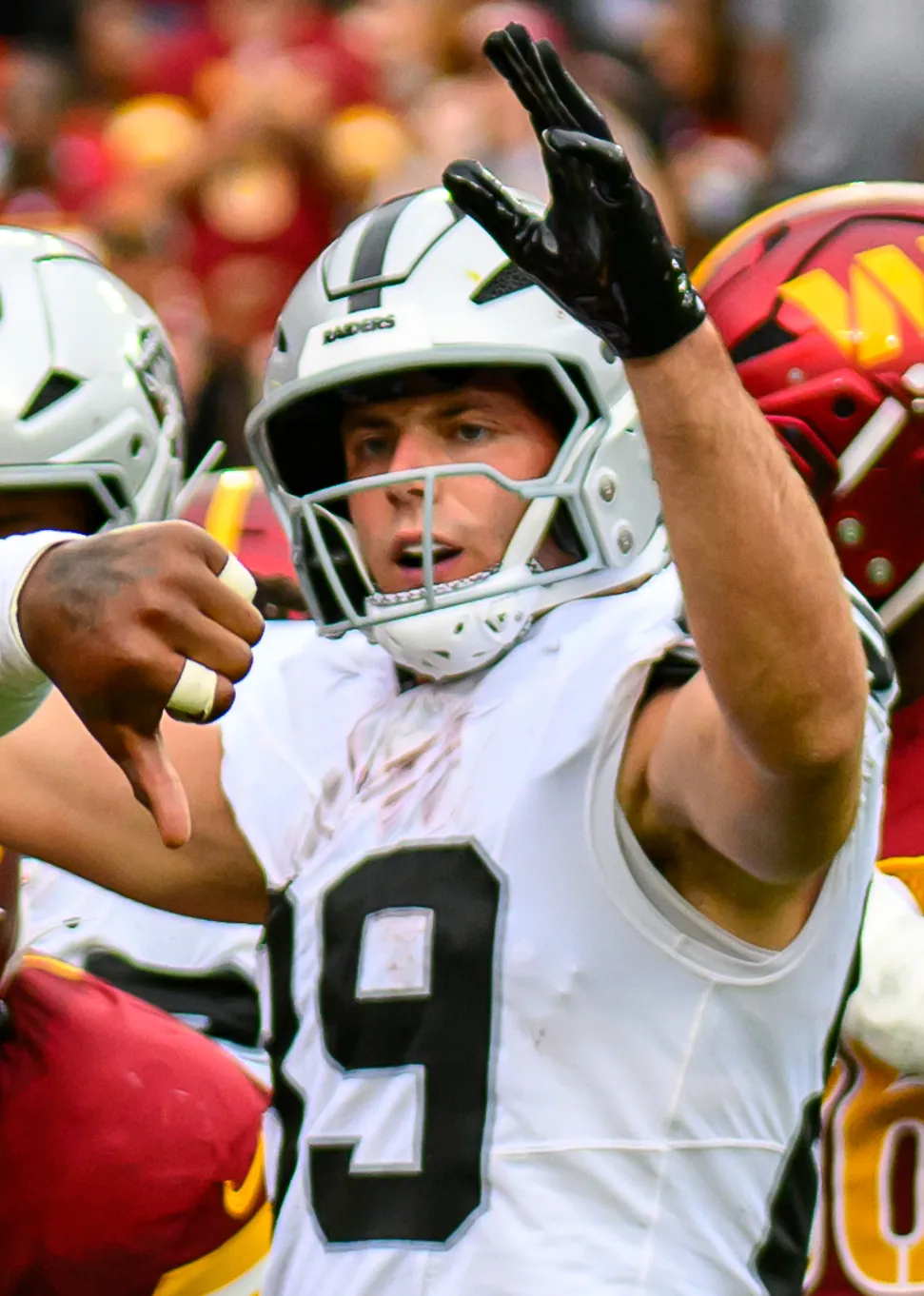
The Raiderettes Cheerleaders
The Las Vegas Raiders cheerleaders are known as the Raiderettes, performing at all home games in Allegiant Stadium. The squad is an integral part of the gameday experience, contributing to the entertainment and energetic atmosphere. The Raiderettes participate in numerous community and charity events throughout the year alongside the team's mascot and players. Their involvement includes appearances at parades, such as the Veterans Day Parade in support of U.S. VETS, and school visits to interact with fans. The cheerleaders also take part in the team's promotional and fan engagement activities, helping to maintain a strong connection with Raider Nation.
The Raiderettes are featured in team media content and collaborate with other community mascots during outreach events. They pose for photos with Raider Rusher and students during events like Breakfast with the Mascots. The squad's presence is a consistent element of the Raiders' brand, representing the team at both local and national events. Their performances and community work contribute to the overall culture and visibility of the franchise in the Las Vegas area and beyond.
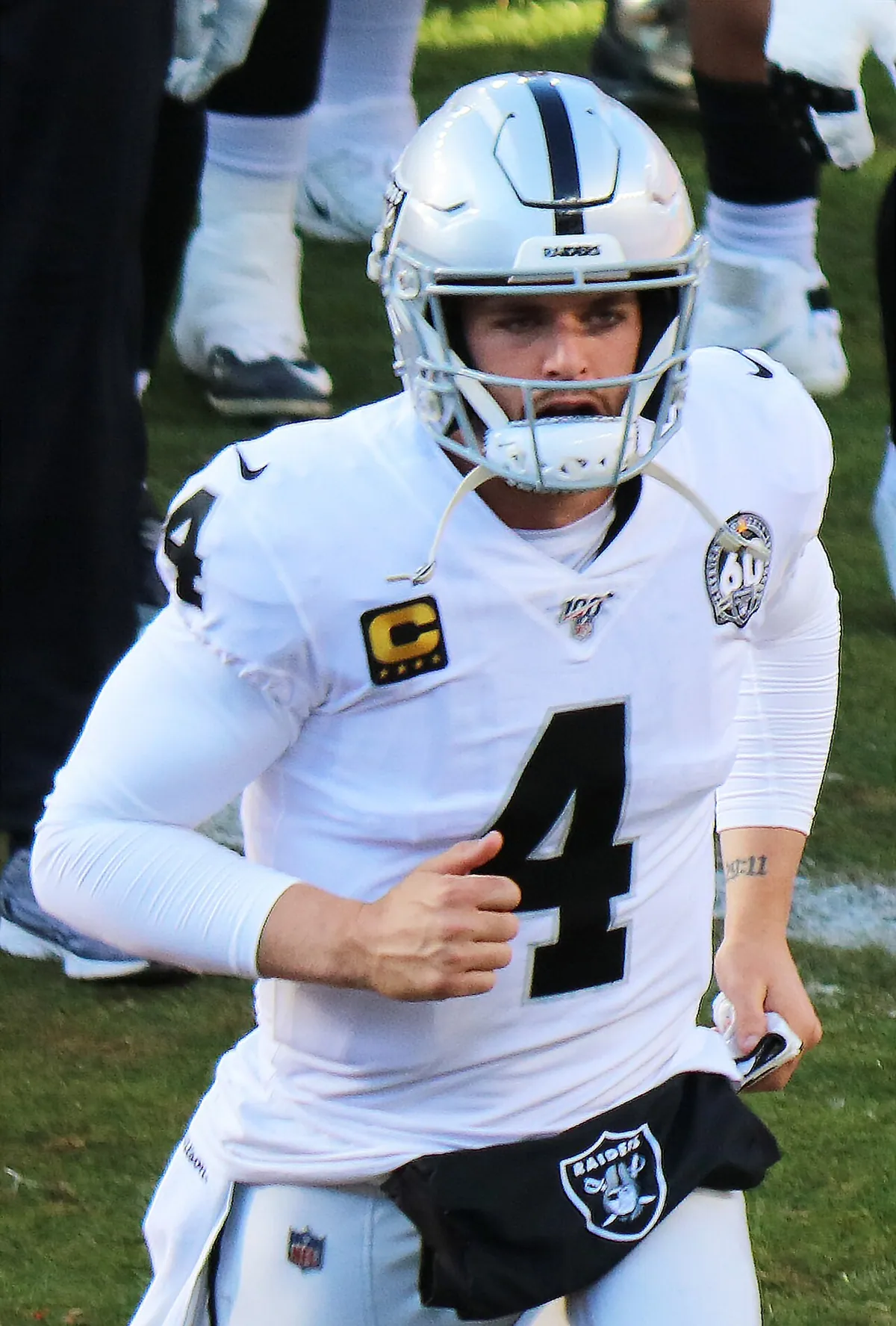
Raider Nation and Fan Culture
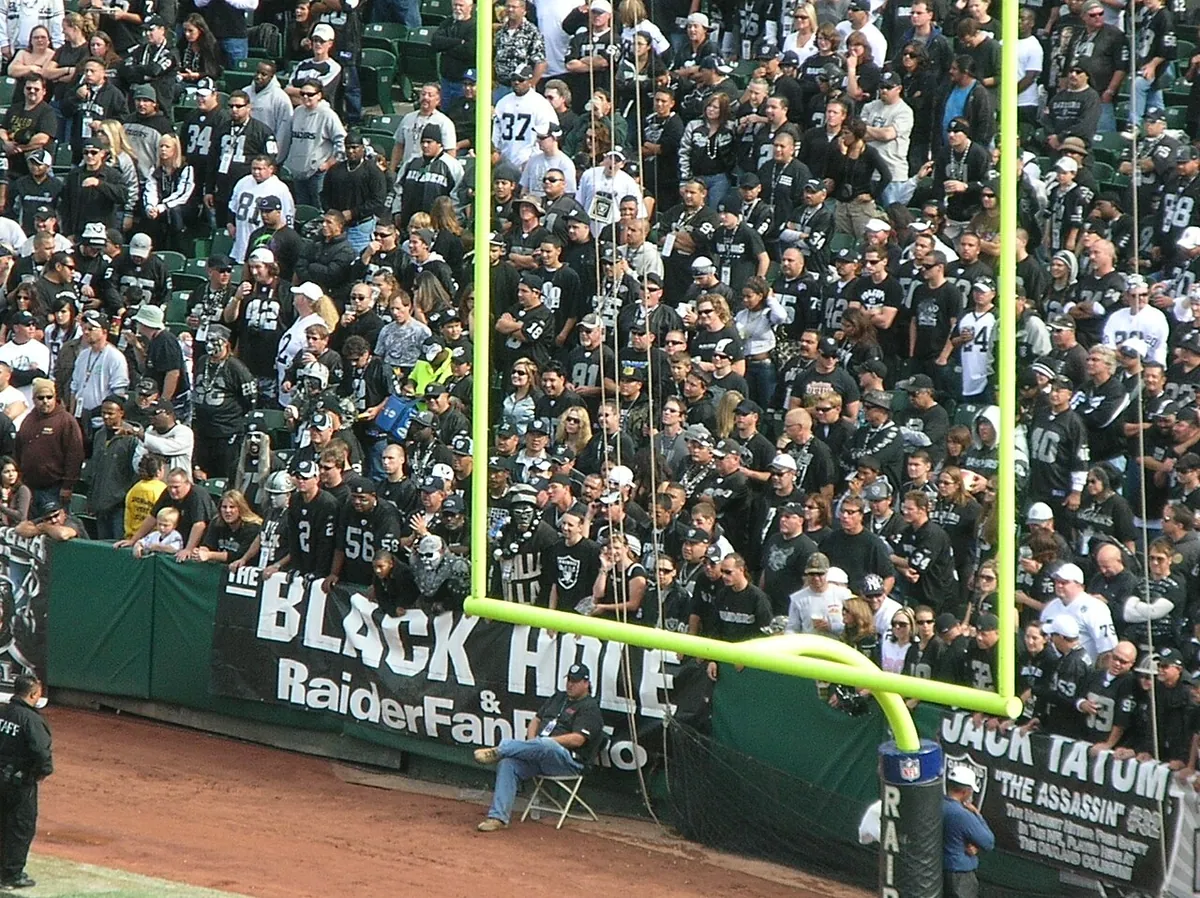
The Las Vegas Raiders' fan base is famously known as Raider Nation, a global community recognized for its passionate and loyal support. This fandom is characterized by a distinctive culture of rebellion and toughness that mirrors the team's historical identity. Fans often dress in elaborate costumes, face paint, and silver and black attire, creating a visually striking atmosphere at games. The commitment is described as a lifestyle with no off-season, where being a diehard fan involves consistent engagement and pride. The fan culture has been woven into the fabric of the team through decades, surviving relocations from Oakland to Los Angeles and back, and finally to Las Vegas.
Notable superfans have become well-known figures within Raider Nation. Mark Acasio's alter ego 'Gorilla Rilla' has been a presence since 1995, spreading love and good vibes to fans from Oakland to Las Vegas. Wayne Mabry, known as 'Violator,' will never forget his first Raiders game, a 1970 win over the Chiefs, which fueled his passion. These superfans report a mission to connect with fans worldwide, welcome newcomers, and inspire younger generations to carry the passion forward. Their presence at every home game, from the Oakland Coliseum to Allegiant Stadium, helps maintain the team's energetic fan reputation.
- Gorilla Rilla is the alter ego of Mark Acasio, active since 1995.
- Violator is the persona of Wayne Mabry, inspired by a 1970 game.
- Superfans aim to connect globally and inspire future generations.
- The culture emphasizes pride, loyalty, and a rebellious spirit.
- Fans are described as football's most notorious fans.
'The Autumn Wind' and Fight Song Tradition
The unofficial anthem and fight song of the Las Vegas Raiders is 'The Autumn Wind,' a poem written by former NFL Films President Steve Sabol. It was first used for the team's official yearbook film in 1974. The piece was dubbed 'The Battle Hymn of the Raider Nation' and perfectly encapsulates the team's aggressive and formidable image. The poem describes the autumn wind as a raider, pillaging just for fun, which aligns with the pirate motif of the franchise. It is played at games and remains a powerful auditory symbol of the team's identity and history.
The adoption of 'The Autumn Wind' coincided with the peak of the Raiders' success in the 1970s under coach John Madden. Its lyrical imagery of a relentless, stealing force mirrored the team's on-field reputation for tough, physical play. The continued use of the piece, decades after its introduction, demonstrates how deeply embedded certain traditions are within the fan experience. For many in Raider Nation, hearing 'The Autumn Wind' is an essential part of the gameday ritual, evoking a sense of legacy and shared identity across generations of supporters.
Gameday Atmosphere at Allegiant Stadium
The Las Vegas Raiders' gameday atmosphere at Allegiant Stadium is a culmination of the team's distinctive traditions and modern entertainment. Since moving to Las Vegas in 2020, the team has played its home games in this state-of-the-art venue in Paradise, Nevada. The stadium experience integrates the team's historic elements, like the playing of 'The Autumn Wind,' with the spectacle expected in Las Vegas. The presence of Raider Rusher and the Raiderettes cheerleaders adds to the family-friendly and energetic environment. Superfans like Gorilla Rilla and Violator are fixtures in the stands, contributing to the visual intensity and communal spirit.
The fan turnout creates a sea of silver and black, with many attendees wearing jerseys, costumes, and face paint. This visual display is a consistent feature of Raiders home games, whether the team is performing well or struggling. The Raiders' regular season record from 1999 to 2025 was 172-265, and they started the 2026 season 4-7 through November 27, but fan support has remained notably consistent. The atmosphere is also shaped by the team's deep connection with Hispanic fans, many of whom share personal stories of fandom passed through families. The gameday experience at Allegiant Stadium thus represents a blend of enduring tradition and the new opportunities presented by the Las Vegas market.
The Raiders and Hispanic Fan Community
The Las Vegas Raiders have a significant following within Hispanic communities, a connection forged over decades. Personal testimonies from fans collected by the team illustrate this deep connection. One fan recounted how uncles working in California would return to Mexico with Raiders magazines, sparking his fandom in the late 1970s. Another described moving from El Salvador to Canada in 1992 and finding identity in a Raiders starter jacket. A fan from Oakland's Fruitvale District stated the Raiders' grit and rebellious spirit felt like home, with Sundays being sacred with silver and black everywhere.
These stories often highlight the roles of quarterback Jim Plunkett and head coach Tom Flores, the first Hispanic head coach in NFL history. One fan specifically noted that seeing Plunkett and Flores, who are of Latino descent, on TV in 1980 solidified his fandom. The phrase 'Viva Los Raiders' encapsulates this cultural affinity, and the team has released special merchandise collections under that name. For many, being a Raiders fan is described as an identity, pride, and tradition that has persisted through the team's moves.
Community Engagement and Outreach
The Las Vegas Raiders organization maintains an active schedule of community engagement, often involving the mascot, cheerleaders, players, and staff. These programs are designed to connect with fans in Southern Nevada and support local causes. A key initiative is the RUSH program, a partnership with the UNLV School of Public Health to promote flag football, mental health, and nutrition among young girls. The team also regularly partners with Three Square Food Bank for events like 'Turkey Time with the O-Line' to distribute Thanksgiving meals and holiday meal packing parties. These efforts demonstrate a commitment to the Las Vegas community beyond football.
Educational outreach is another focus, with Raider Rusher frequently visiting local schools for events like 'Breakfast with the Mascots' to teach about healthy choices. The team supports youth sports by attending and highlighting middle school and high school flag football championship games. Furthermore, the Raiders host inclusive events like 'Football For All' in collaboration with organizations such as Special Olympics Nevada, creating adaptive football experiences for athletes of all abilities. This broad spectrum of community work helps solidify the team's role as a civic partner in its new home.
| Program/Event | Partner/Initiative |
|---|---|
| RUSH Program | UNLV School of Public Health |
| Turkey Time with the O-Line | Three Square Food Bank |
| Holiday Meal Packing | Three Square Food Bank |
| Football For All | Special Olympics Nevada, others |
| Breakfast with the Mascots | National School Breakfast Week |
| Veterans Day Parade | U.S. VETS, Las Vegas |
Video
FAQ
What is the Las Vegas Raiders mascot?
The Las Vegas Raiders' mascot is Raider Rusher, a costumed youth ambassador. Raider Rusher was introduced in 2013 when the team was in Oakland as part of a youth initiative tied to a Nickelodeon series. The mascot's primary role is to engage with younger fans at games and participate in community outreach events. The character is a regular presence at school events and community programs to represent the team. Raider Rusher poses for photos with cheerleaders and students during these outreach activities.
Who are the Raiders cheerleaders?
The Las Vegas Raiders cheerleaders are called the Raiderettes. They perform at all home games in Allegiant Stadium and are a key part of the gameday entertainment. The Raiderettes also participate extensively in community events, charity functions, and promotional activities for the team. They often appear alongside mascot Raider Rusher in school visits and at public events like parades. Their involvement helps maintain a strong connection between the team and its global fan base, Raider Nation.
What is the Raiders fight song?
The Raiders' fight song is 'The Autumn Wind,' a poem written by NFL Films' Steve Sabol. It was first used in 1974 and was dubbed 'The Battle Hymn of the Raider Nation.' The poem describes the autumn wind as a raider and aligns with the team's pirate imagery. It is played at games and remains a powerful traditional element of the fan experience. The song's continued use connects current fans to the team's successful era in the 1970s.
What are Raiders fans called?
Las Vegas Raiders fans are collectively known as Raider Nation. This global fan base is famous for its passionate, loyal, and often visually striking support, with many wearing elaborate costumes and face paint. The culture includes well-known superfans like Gorilla Rilla and Violator. Raider Nation is characterized by a rebellious spirit and a deep connection to the team's history and identity. The fan base has supported the team through multiple relocations from Oakland to Los Angeles and now to Las Vegas.
Why do many Hispanic fans support the Raiders?
Hispanic fans have shared personal stories about their support for the Raiders. Many cite the pioneering roles of quarterback Jim Plunkett and head coach Tom Flores, the first Hispanic head coach in NFL history. Others describe growing up in areas like Oakland's Fruitvale District where the Raiders were a central part of community life. Some fans attribute their fandom to family members who immigrated to the United States and brought Raiders pride with them. These individual accounts highlight a deep, personal connection to the team's identity and history.
Who is the most famous Raiders superfan?
One of the most famous Raiders superfans is Mark Acasio, known as 'Gorilla Rilla.' He has been a fixture at Raiders games since 1995, described as spreading love and good vibes to Raider Nation. Another foundational superfan is Wayne Mabry, known as 'Violator,' who was inspired by a 1970 Raiders game. These superfans are woven into the fabric of Raider Nation and are mission-driven to keep the fan culture strong. Their consistent presence at home games helps define the visual spectacle of the Raiders' gameday atmosphere.
Sources
- Las Vegas Raiders (Wikipedia) Wikipedia
- Photos: Raider Rusher takes part in Breakfast with the Mascots raiders.com
- Superfans, The Black Hole® Official Fan Store theblackhole.com
- When did you first become a Raiders fan? silverandblackpride.com
- Viva Los Raiders vegas.raiders.com
- nflverse game, roster and draft data nflverse (CC BY 4.0)