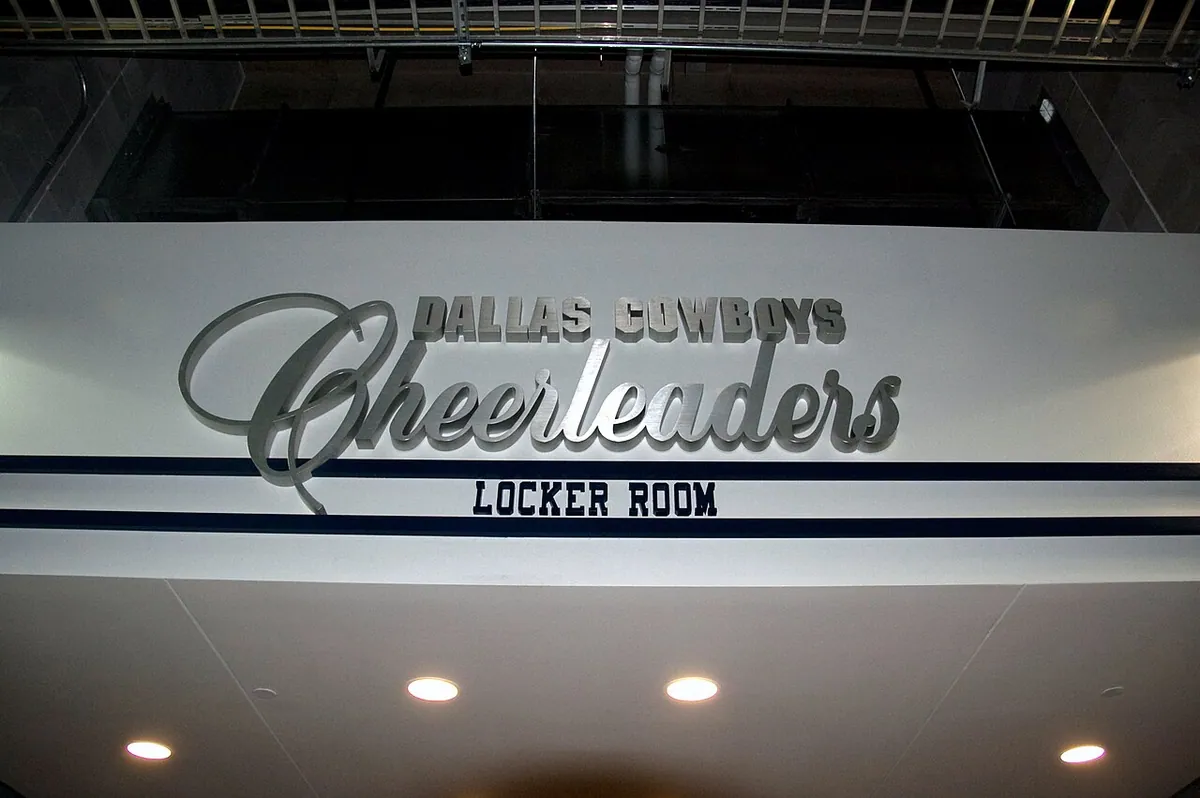
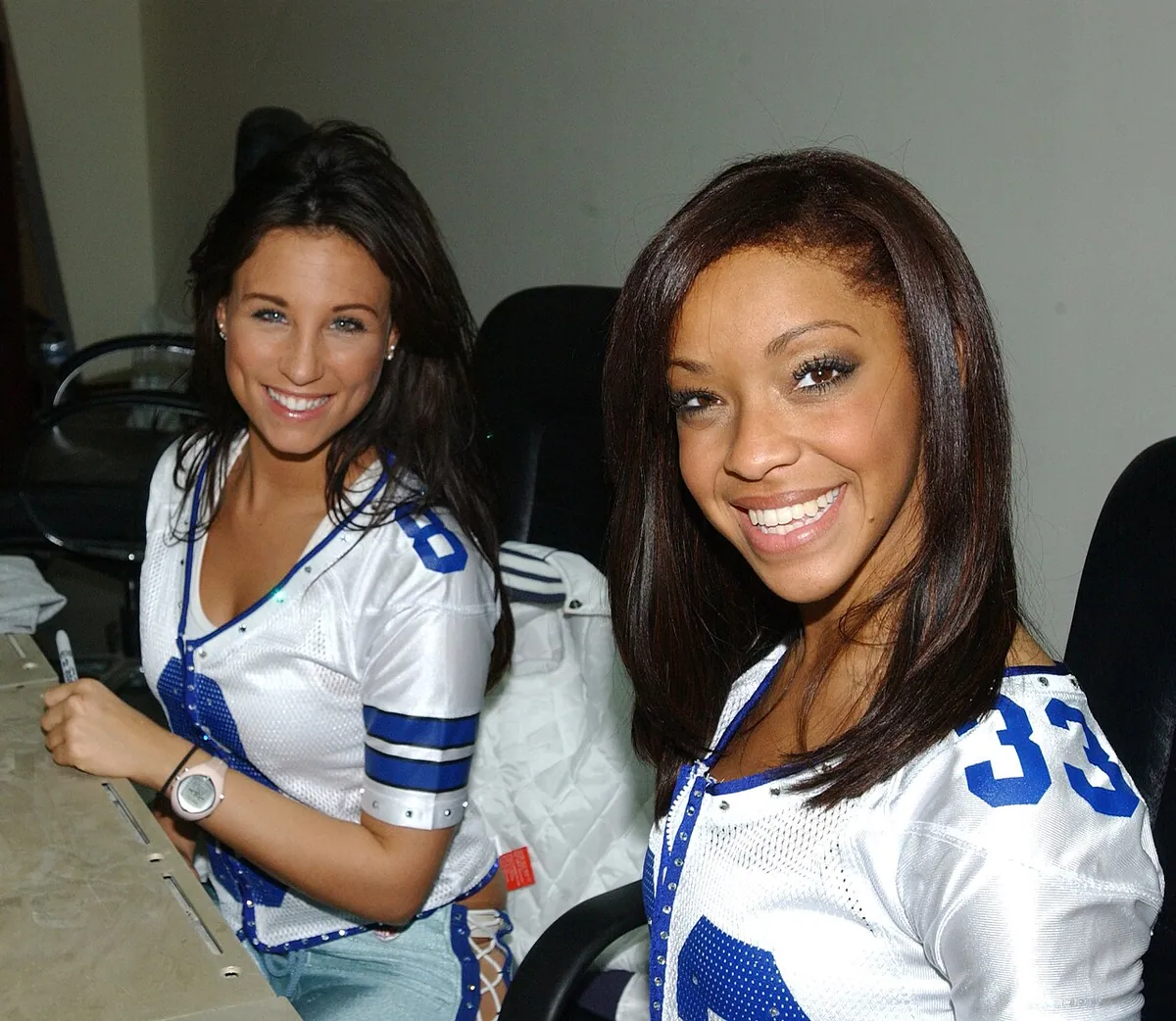
The Dallas Cowboys Cheerleaders are the cheerleading squad for the Dallas Cowboys, established in September 1961. Known as America's Sweethearts, the 36-member squad is famous for its blue crop top, white hotpants, and white cowboy boots uniform. The team's game day experience includes its official mascot, Rowdy, and traditions like the Cowboys Stampede March fight song. This article details the cheerleaders' history and impact, information on the team's mascots, and aspects of the atmosphere at AT&T Stadium.
The Dallas Cowboys Cheerleaders
The Dallas Cowboys Cheerleaders were formed in September 1961. The squad's modern identity began to take shape in 1970 when general manager Tex Schramm changed the image to an all-female team focused on dance routines. A major redesign occurred in 1972 under choreographer Texie Waterman, who introduced the more revealing hotpants uniform that became the classic DCC look. The cheerleaders gained national exposure in 1977 with the release of the first NFL cheerleader poster and a one-hour television special. This was followed by the 1979 made-for-TV movie Dallas Cowboys Cheerleaders, which captured a 48 percent share of the national television audience. The squad is led by director Kelli Finglass, a former cheerleader herself, and choreographer Judy Trammell.
The DCC's cultural impact is significant, having helped transform NFL cheerleading from sideline support into a major entertainment product. Their signature dance to Thunderstruck debuted in 2010 and remains a staple of their performances. The squad maintains a high public profile through extensive media projects, including the long-running reality series Dallas Cowboys Cheerleaders: Making the Team from 2006 to 2021 and the 2024 Netflix documentary series America's Sweethearts: Dallas Cowboys Cheerleaders. They also engage in numerous public appearances, including USO tours that began in 1979, performances at Formula One United States Grands Prix in Austin, and select games during the 2026 FIFA World Cup. In October 2026, the cheerleaders announced they had unionized, marking a significant development in their labor organization.
- 1972: Introduction of the modern hotpants uniform.
- 1977: Release of the first NFL cheerleader poster and TV special.
- January 14, 1979: Dallas Cowboys Cheerleaders TV movie airs.
- 1979: DCC begin USO tours for U.S. troops.
- 2010: First performance of the Thunderstruck dance.
- 2006 to 2021: Making the Team reality series airs on CMT.
- June 20, 2024: America's Sweethearts documentary premieres on Netflix.
- October 2026: Cheerleaders announce unionization.
Mascots: From Crazy Ray to Rowdy
Before an official mascot existed, the Dallas Cowboys were represented by an unofficial mascot named Crazy Ray. Crazy Ray was Wilford Jones, a superfan who began entertaining crowds on the sidelines in 1962. Known for his antics, magic tricks, and signature chaps and six-shooters, he became a beloved fixture at Cowboys games for over four decades. He died in 2007. His enduring presence earned him the status of the team's unofficial mascot and a permanent place in franchise lore. The Cowboys' first official mascot was introduced in the early 1990s by NFL Properties, initially named Big D and later rebranded as Rowdy. Rowdy is a character that blends cowboy and football elements, serving as the team's official mascot.
Rowdy's role is to engage with fans during games at AT&T Stadium. The mascot also makes appearances at events throughout the Dallas-Fort Worth metroplex. While Crazy Ray represented the organic, fan-driven spirit of Cowboys fandom, Rowdy represents the modern, corporate entertainment aspect of the game day experience. Together, their histories illustrate the evolution of team mascots from grassroots fan figures to professionalized brand ambassadors. The transition from the beloved Crazy Ray to the official Rowdy marks a shift in how the franchise manages its interactive fan engagement.
Fan Culture and Traditions
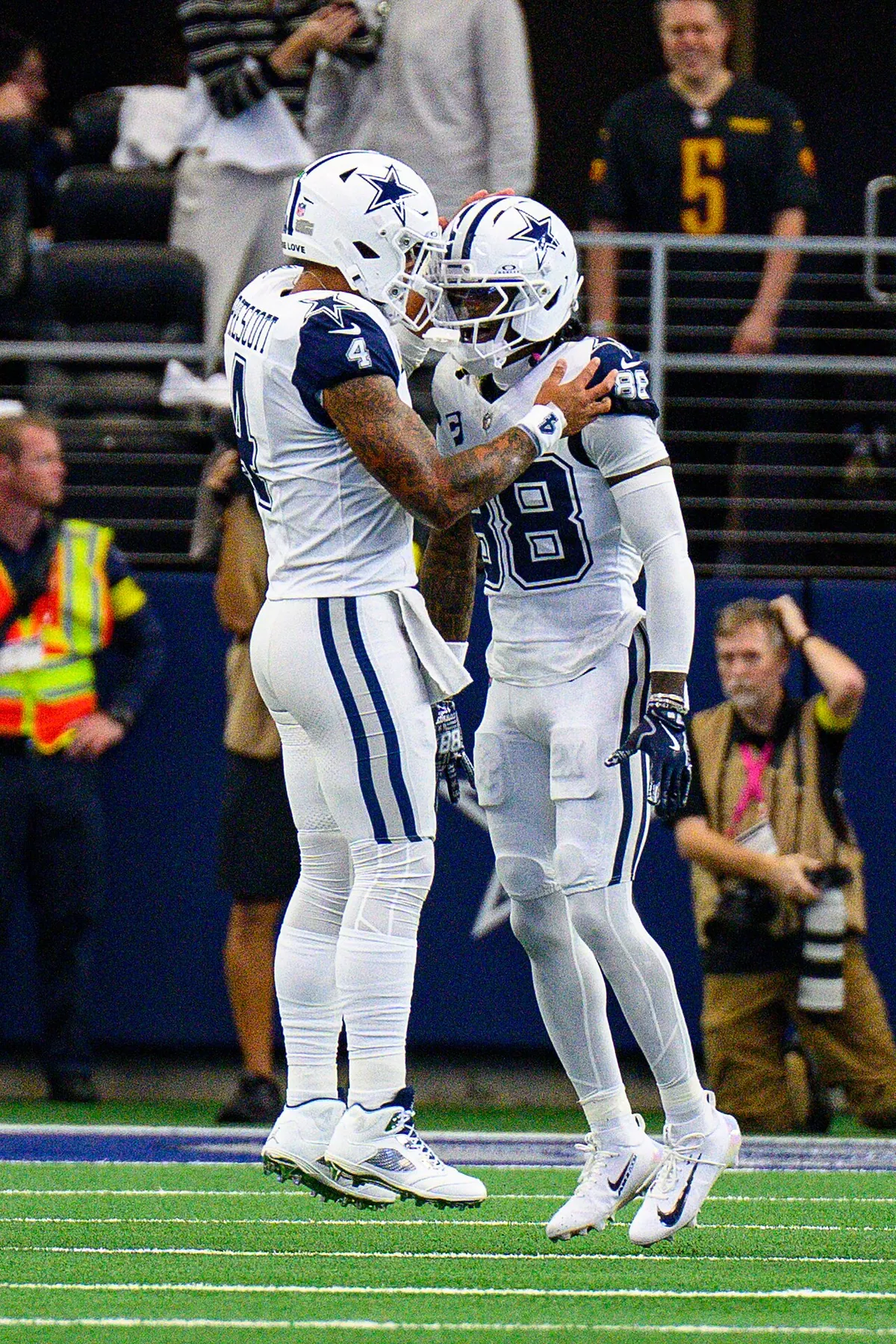
Dallas Cowboys fans, often referred to as part of America's Team, are known for their widespread national following and consistent support. The franchise set an NFL record with 190 consecutive sold-out regular and postseason games, a streak that began in 2002, demonstrating intense fan loyalty. Game days at AT&T Stadium, which opened in 2009 and was renamed prior to the 2013 season, are large-scale entertainment events. The atmosphere is a blend of football tradition and modern spectacle, featuring the Dallas Cowboys Cheerleaders' performances and interactions from mascot Rowdy. The team's colors of navy blue, silver, royal blue, metallic silver blue, and white are prominently displayed throughout the stadium in Arlington, Texas.
A central auditory tradition is the team's fight song, the Cowboys Stampede March. The song is played during games, uniting the crowd in celebration. This tradition is part of the game day experience. The Cowboys' national fan base is often attributed to the team's success in the 1970s, its frequent appearances in nationally televised games, and the marketing prowess of owner Jerry Jones. This has created a widespread national fan base, with Cowboys supporters found in many places.
Game Day Atmosphere at AT&T Stadium
The Dallas Cowboys' home game experience is engineered for maximum entertainment, reflecting the brand's value as one of the most valuable sports franchises in the world. Since the 2013 season, all home games have been played at AT&T Stadium in Arlington, Texas, a venue known for its massive video board, retractable roof, and luxury amenities. The pregame festivities typically involve the Dallas Cowboys Cheerleaders and Rowdy the mascot to energize the crowd. During the game, the cheerleaders perform their renowned routines on the sidelines, with their Thunderstruck dance being a particularly anticipated moment. The Cowboys Stampede March fight song is played during games, a ritual that connects generations of fans.
The integration of the cheerleaders and mascot into the event is consistent. The DCC performs choreographed dances on the sidelines. Rowdy can be seen interacting with spectators during games. The overall effect is a game day experience that prioritizes spectacle, aligning with the Cowboys' identity as a global sports and entertainment brand.
Media Portrayals and Cultural Legacy
The Dallas Cowboys Cheerleaders have been a persistent subject of media fascination since the 1970s, shaping public perception of professional cheerleading. Their breakthrough came with the 1979 television movie Dallas Cowboys Cheerleaders and its 1980 sequel. This was followed by decades of television appearances on shows like The Love Boat and as contestants on game shows. The 2006 launch of Dallas Cowboys Cheerleaders: Making the Team on CMT provided an unprecedented behind-the-scenes look at the grueling audition and training process, running for 16 seasons.
The squad's legacy includes several dimensions, influencing both pop culture and labor discussions within sports. They are credited with setting the standard for professional cheerleading aesthetics and performance quality, making them a model imitated by other teams. Commercially, their image has been leveraged on vast amounts of merchandise, including posters, calendars, and trading cards. Conversely, the DCC have also been at the center of journalistic investigations into fair pay, labor conditions, and the gender wage gap in sports entertainment. Their 2026 unionization is a direct result of these ongoing discussions. The cheerleaders' story is also preserved in projects like the 2018 documentary Daughters of the Sexual Revolution and the 2021 Texas Monthly podcast America's Girls, ensuring their complex history remains part of the cultural conversation.
| Media Project | Year | Format/Network |
|---|---|---|
| Dallas Cowboys Cheerleaders (TV movie) | 1979 | Television film |
| Dallas Cowboys Cheerleaders II (TV movie) | 1980 | Television film |
| The 36 Most Beautiful Girls in Texas | 1977 | ABC TV special |
| Dallas Cowboys Cheerleaders: Making the Team | 2006 to 2021 | CMT reality series |
| America's Sweethearts: Dallas Cowboys Cheerleaders | 2024 | Netflix documentary series |
| Daughters of the Sexual Revolution (documentary) | 2018 | Documentary film |
| America's Girls (podcast) | 2021 | Texas Monthly podcast |
Notable Cheerleader Alumni
Many former Dallas Cowboys Cheerleaders have leveraged their platform to achieve success in diverse fields such as broadcasting, acting, and business. Their tenure with the high-profile squad often provides a springboard into the entertainment industry. Kelli Finglass, who cheered from 1984 to 1989, returned to become the squad's long-tenured director and an executive producer of the Making the Team series. Judy Trammell, another alumna, serves as the squad's head choreographer. These leadership roles are held by former cheerleaders. The alumni network includes individuals who have achieved success in various fields.
The list of accomplished former cheerleaders includes figures known nationally for other endeavors. Bonnie-Jill Laflin, a cheerleader from 1996 to 1997, became an Emmy Award-winning sports broadcaster and the first female scout in the NBA. Actress Sarah Shahi cheered during the 1999 and 2000 seasons before landing roles in series like Person of Interest and Fairly Legal. Television personality Melissa Rycroft was a squad member from 2006 to 2008 before gaining fame on The Bachelor and Dancing with the Stars. Other notable alumni include professional wrestler Tanea Brooks (Rebel/Reba in AEW), actress Jill Marie Jones from Girlfriends, and Real Housewives of Dallas cast member Brandi Redmond. Their varied career paths highlight how the DCC experience extends far beyond the football sidelines.
Video
FAQ
What is the Dallas Cowboys' mascot?
The official mascot of the Dallas Cowboys is Rowdy, a costumed character introduced in the early 1990s. Before Rowdy, the team's unofficial mascot was a superfan named Wilford Crazy Ray Jones, who entertained crowds from the sidelines from 1962 until his death in 2007. Rowdy engages with fans during games and at community events. The transition from the fan-driven Crazy Ray to the official Rowdy marks the professionalization of the mascot role within the franchise.
What is the Dallas Cowboys' fight song?
The Dallas Cowboys' fight song is called the Cowboys Stampede March. It is a traditional piece of music played during home games at AT&T Stadium. The song is a key auditory tradition during games. Along with the performances of the cheerleaders and the mascot, the fight song contributes to the highly produced entertainment experience that defines a Cowboys home game.
How can I watch the Dallas Cowboys Cheerleaders show?
The Dallas Cowboys Cheerleaders were featured in a long-running reality series called Dallas Cowboys Cheerleaders: Making the Team, which aired on Country Music Television (CMT) from 2006 to 2021. A newer documentary series, America's Sweethearts: Dallas Cowboys Cheerleaders, was released on Netflix on June 20, 2024. The Netflix series follows the audition process, training camp, and season for the squad. These shows provide an in-depth look at the rigorous selection process and the lives of the cheerleaders on and off the field.
Who was Crazy Ray?
Crazy Ray was the nickname for Wilford Jones, the unofficial mascot of the Dallas Cowboys from 1962 until his death in 2007. He was a dedicated superfan known for wearing chaps and six-shooters while performing magic tricks and antics on the sidelines during games. His energetic and loyal support made him a beloved figure among Cowboys fans for many years. Crazy Ray represents an era of organic, fan-driven mascot culture before the team adopted an official costumed mascot in Rowdy.
Where do the Dallas Cowboys play their home games?
The Dallas Cowboys play their home games at AT&T Stadium in Arlington, Texas. The stadium opened in 2009 and was originally called Cowboys Stadium before the naming rights were sold to AT&T prior to the 2013 season. It is a facility with a retractable roof and a massive video board. The stadium is the central venue for the game day traditions involving the cheerleaders, mascot Rowdy, and the playing of the Cowboys Stampede March fight song.
What is the history of the Dallas Cowboys Cheerleaders' uniforms?
The Dallas Cowboys Cheerleaders' uniforms evolved significantly, especially in the early 1970s. In 1970, the squad was made all-female and the uniforms and routines were redesigned to focus more on dance. A major change came in 1972 when choreographer Texie Waterman helped audition a new adult squad, allowing for another redesign that introduced the more revealing look known today, most notably transitioning from traditional skirts to hot pants. The classic uniform now consists of a blue crop top, white hotpants, and white cowboy boots. This evolution was inspired by performer Bubbles Cash in 1967, whose style caught the attention of general manager Tex Schramm.
Sources
- Dallas Cowboys Cheerleaders (Wikipedia) Wikipedia
- Dallas Cowboys (Wikipedia) Wikipedia
- Watch AMERICA'S SWEETHEARTS: Dallas Cowboys Cheerleaders netflix.com
- nflverse game, roster and draft data nflverse (CC BY 4.0)