The Auburn Tigers football program represents Auburn University in the NCAA Division I Football Bowl Subdivision and the Southeastern Conference. The program officially began in 1892 and has since become one of the most successful in college football history. Auburn claims nine national championships, has won 16 conference championships, and has produced three Heisman Trophy winners. The Tigers play their home games at Jordan Hare Stadium and maintain a fierce rivalry with the University of Alabama. With an all time record of 825 wins, 490 losses, and 47 ties, Auburn ranks among the winningest programs in FBS history.
Program Founding and Early History
Auburn University fielded its first intercollegiate football team in 1892, marking the official start of the Tigers program. That inaugural season featured the first football game played in the Deep South, a contest against the University of Georgia at Atlanta's Piedmont Park. The program initially competed as an independent before joining the Southern Intercollegiate Athletic Association (SIAA) in 1895. Auburn's early era was notable for the tenure of coach John Heisman, who led the team from 1895 to 1899 before the trophy named in his honor was created. The Tigers made their first bowl appearance in the 1936 Bacardi Bowl in Havana, Cuba, which ended in a 7-7 tie with Villanova. Auburn's first bowl victory came in the 1937 Orange Bowl, where they defeated Michigan State 6-0.
The early 20th century saw Auburn under coach Mike Donahue. The 1913 team finished with a perfect 8-0 record, outscoring opponents 224 to 13, and won the SIAA championship for the first time in school history. This period laid the foundation for Auburn's competitive tradition, producing several undefeated seasons that are among the program's nine claimed national championships. The Tigers moved to the Southern Conference in 1922 and then became a charter member of the Southeastern Conference at its formation in 1932. This conference membership provided a stable and highly competitive home for the program that continues to the present day. The 1932 team under Chet A. Wynne finished 9-0-1 and won the Southern Conference championship.
Conference Membership and Championships
Auburn's conference affiliations have evolved over its long history. After its independent start and time in the SIAA, the program joined the Southern Conference in 1922. Auburn became a founding member of the Southeastern Conference (SEC) in 1932, where it has remained ever since. The Tigers competed in the SEC West Division from its creation in 1992 until the conference eliminated divisions in 2024. Auburn officially claims 16 conference championships across these leagues. The program's eight SEC championships were won in 1957, 1983, 1987, 1988, 1989, 2004, 2010, and 2013. Auburn has also won 10 SEC divisional championships, appearing in the conference title game six times with a record of 3-3.
The Tigers' first SEC championship came in 1957 under coach Ralph Jordan, part of a perfect 10-0 season. The 2004 championship under Tommy Tuberville capped an undefeated 13-0 season. Gene Chizik's 2010 team and Gus Malzahn's 2013 squad also won the conference, with the 2010 victory coming by a record 56-17 margin over South Carolina. These championships underscore Auburn's status as a consistent contender within one of college football's most difficult conferences. Auburn's seven SIAA championships came in 1900, 1904, 1908, 1910, 1913, 1914, and 1919.
| Year | Conference | Coach | Overall Record |
|---|---|---|---|
| 1957 | SEC | Ralph Jordan | 10-0 |
| 1983 | SEC | Pat Dye | 11-1 |
| 1987 | SEC | Pat Dye | 9-1-2 |
| 2004 | SEC | Tommy Tuberville | 13-0 |
| 2010 | SEC | Gene Chizik | 14-0 |
| 2013 | SEC | Gus Malzahn | 12-2 |
Head Coaching History and Eras
Auburn has had 30 head coaches since it began play during the 1892 season, along with four interim head coaches. On November 30, 2025, Alex Golesh became the head coach of the Tigers. Several coaches have defined distinct eras of Tigers football. Ralph "Shug" Jordan coached from 1951 to 1975, compiling 176 wins, the most in program history, and leading Auburn to its first AP national championship in 1957. Gus Malzahn took Auburn to the BCS title game in his first season.
The coaching legacy at Auburn includes 12 individuals inducted into the College Football Hall of Fame, comprising eight players and four head coaches. Those coaches are John Heisman, Mike Donahue, Ralph Jordan, and Pat Dye. Heisman's tenure, though brief, left a lasting mark as the namesake of the sport's most prestigious individual award. Donahue built early 20th century success with multiple SIAA championships. Jordan's 25-year tenure established modern Auburn football with consistency and a national title. This lineage of successful coaches has maintained Auburn's competitive standard across different eras of college football. Eight coaches have led Auburn in postseason bowl games: Jack Meagher, Ralph Jordan, Pat Dye, Terry Bowden, Tommy Tuberville, Gene Chizik, and Gus Malzahn.
National and Conference Championships
Auburn claims nine national championships in football, with two recognized by the major wire-service polls. The Associated Press poll awarded Auburn the national title in 1957 after a perfect 10-0 season under coach Ralph Jordan. The program's second consensus national championship came in 2010 when coach Gene Chizik's team finished 14-0 and defeated Oregon in the BCS National Championship Game. Auburn claims seven additional national titles based on selections by various historical selectors for the seasons of 1910, 1913, 1914, 1958, 1983, 1993, and 2004. The 2004 team finished 13-0 and won the SEC but was excluded from the BCS title game. The 1993 team under Terry Bowden also went undefeated but was ineligible for postseason play due to NCAA probation.
The 1983 team finished 11-1 with its only loss to Texas and defeated Michigan in the Sugar Bowl. Several mathematical selectors, including the New York Times and Billingsley Report, recognized Auburn as national champion that season. The 1958 team completed another undefeated season. Auburn's championship claims reflect 12 undefeated seasons in program history, including seven perfect seasons with no ties. These accomplishments place Auburn among the select group of programs with multiple national championships and a sustained history of excellence. The program's ability to produce championship-level teams across different decades demonstrates its enduring place in college football's upper echelon. The 1914 team finished 8-0-1 and is claimed as a national championship season.
- 1910 (claimed via NCAA-designated major selectors)
- 1914 (claimed for undefeated season)
- 1957 (AP Poll national championship)
- 2010 (BCS/AP/Coaches Poll national championship)
Bowl Game History
The Tigers' first bowl victory came in the 1937 Orange Bowl. Auburn has played in 12 historically major bowl games, including multiple appearances in the Sugar Bowl, Orange Bowl, and Cotton Bowl Classic. The program's most significant bowl victories include the 2011 BCS National Championship Game win over Oregon and the Sugar Bowl victory over Virginia Tech that capped the 2004 season. Auburn played in the BCS National Championship Game again in 2014, losing to Florida State 34-31. The Tigers' bowl appearances span eight decades, demonstrating the program's consistent competitiveness. Recent bowl games include the 2019 Outback Bowl and the 2018 Music City Bowl, where Auburn defeated Purdue 63-14.
The bowl history includes notable streaks and performances. Under coach Pat Dye, Auburn appeared in eight consecutive bowl games from 1982 to 1989. Auburn's bowl record includes notable streaks and performances. The Tigers have participated in the Sugar Bowl multiple times, with their most recent appearance coming in the 2017 season against Oklahoma. Other frequent bowl destinations include the Gator Bowl and the Outback Bowl. This extensive bowl history reflects Auburn's regular presence in the postseason and its ability to compete at a high level against quality opponents from across the country. The 1987 Sugar Bowl against Syracuse ended in a 16-16 tie.
| Season | Bowl | Opponent | Result |
|---|---|---|---|
| 1937 | Orange Bowl | Michigan State | W 6-0 |
| 2011 | BCS National Championship | Oregon | W 22-19 |
| 2005 | Sugar Bowl | Virginia Tech | W 16-13 |
| 2014 | BCS National Championship | Florida State | L 31-34 |
| 2018 | Music City Bowl | Purdue | W 63-14 |
Major Rivalries
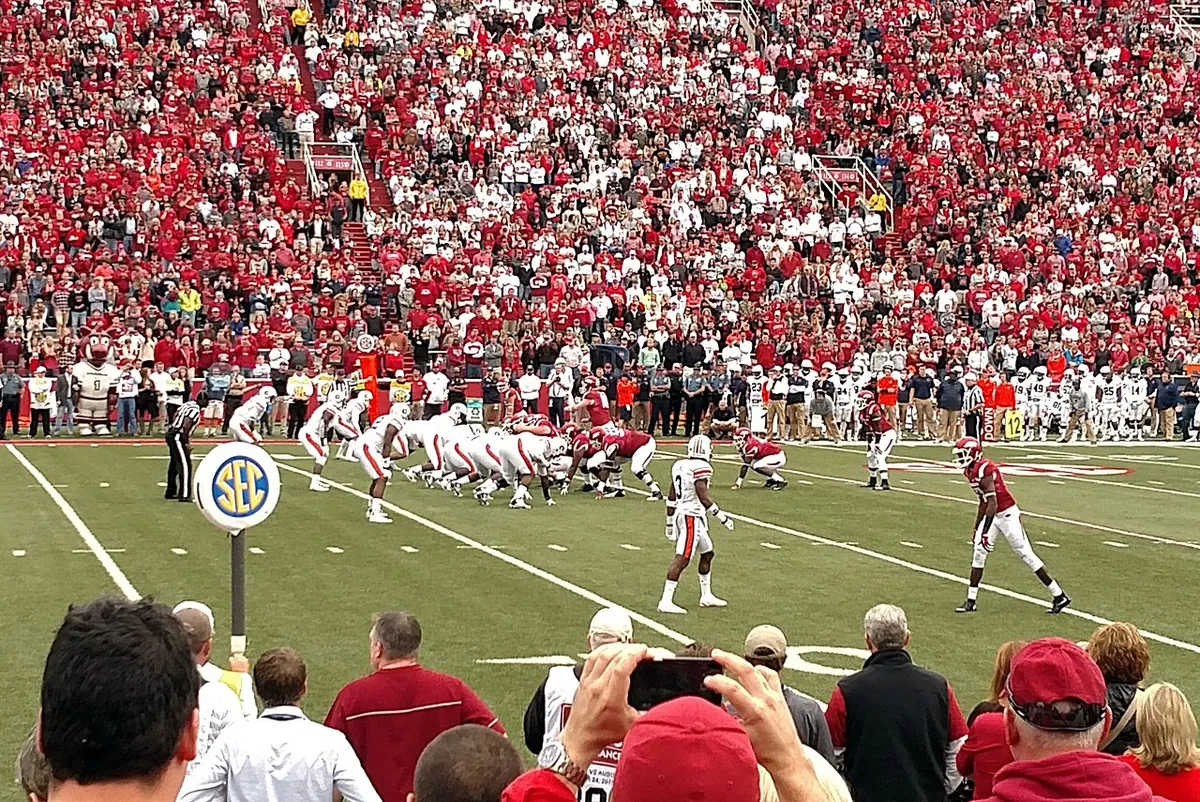
Auburn maintains several intense rivalries, the most prominent being the Iron Bowl against the University of Alabama. This annual contest is a major rivalry in American sports. The Tigers also have a deep rivalry with the University of Georgia, known as the Deep South's Oldest Rivalry, as the two teams first met in 1892. Other significant SEC rivalries include those with LSU, Florida, and Tennessee. Historically, Auburn also had notable rivalries with Georgia Tech, Clemson, and Tulane. These games often have major implications for conference standings and national rankings, adding to their intensity and importance within the college football landscape.
The Iron Bowl has produced many memorable moments in college football history. Auburn's victory in the 2013 Iron Bowl, known for the "Kick Six" play, knocked Alabama from the number one ranking. These rivalries define seasons for Auburn fans and players, with victory bringing particular satisfaction and often determining conference championship game participants. The emotional intensity of these games reflects the passionate fan bases and the high stakes involved. Auburn holds an 18-14 advantage in Iron Bowl games played since 1982.
Jordan, Hare Stadium
Auburn's home stadium is Jordan Hare Stadium, which opened in 1939. The playing surface is named Pat Dye Field in honor of the former head coach. With a seating capacity of 88,043, it is one of the largest on-campus venues in the Southeastern Conference. The stadium creates a significant home-field advantage, often described as Alabama's fifth-largest city on game days due to the crowd size. Jordan, Hare Stadium has hosted many memorable games in Auburn history, including key Iron Bowl victories. The venue is a central part of game day tradition for Auburn fans and a formidable environment for visiting teams.
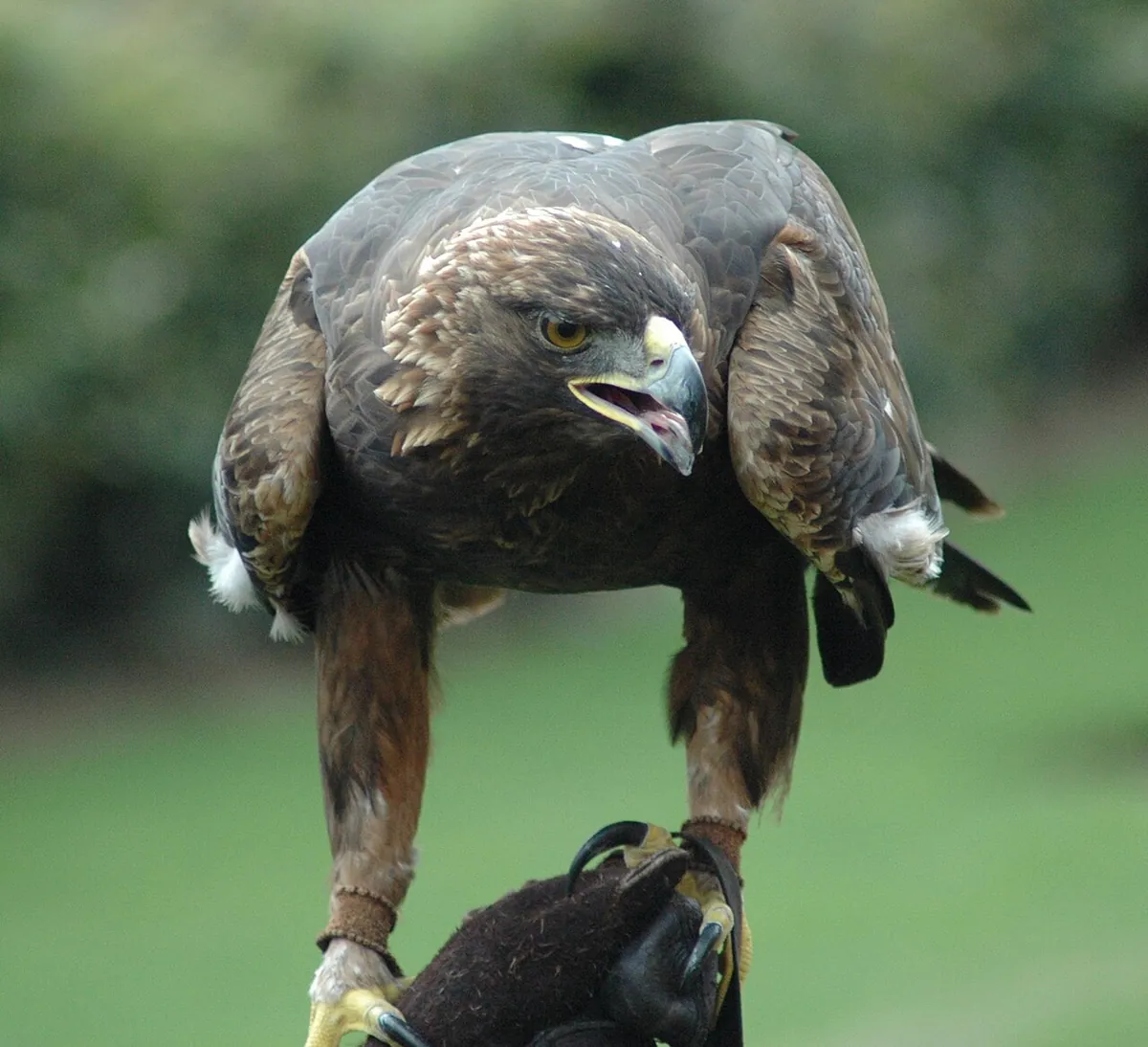
Game days at Jordan Hare Stadium include the pre-game eagle flight, the marching band's performances, and the rolling of Toomer's Corner after victories. The stadium creates a significant home-field advantage for the Tigers. This home venue has been the site of many of Auburn's greatest football achievements and remains a key part of the program's identity. The stadium is named for former coach Ralph 'Shug' Jordan.
Heisman Winners and Notable NFL Players
Three Auburn players have won the Heisman Trophy as college football's most outstanding player. Quarterback Pat Sullivan won the award in 1971, running back Bo Jackson won in 1985, and quarterback Cam Newton won in 2010 during Auburn's national championship season. The program has also produced 31 consensus All-Americans. Auburn has a strong tradition of sending players to the NFL, with 319 players whose college is listed as Auburn having reached the league since 1974. Among them are 24 first-round draft picks, including two number one overall selections: Cam Newton in 2011 and another. Notable recent NFL players from Auburn include defensive tackle Derrick Brown, cornerback Noah Igbinoghene, and linebacker Derick Hall. As of the 2026 season, 55 Auburn alumni were on NFL rosters.
The NFL pipeline from Auburn has been consistent across decades. Auburn players have found success at various professional positions. The program's development of NFL talent extends beyond skill positions to include offensive linemen, defensive players, and specialists. This production of professional players demonstrates the quality of athletes developed at Auburn and the program's ability to prepare players for the next level. Among the 319 NFL players from Auburn, 184 were drafted, and they include recent first-round picks like defensive end Keldric Faulk, selected 31st overall in 2026.
Program Success and Historical Ranking
Auburn ranks as the 22nd most successful team of all time by winning percentage with a 62.3 percent win rate through the 2025 season. The program's all-time record of 825 wins, 490 losses, and 47 ties places it 13th among all FBS programs in total victories. Various historical ranking systems have consistently placed Auburn among college football's elite programs. The College Football Research Center lists Auburn as the 14th best program in history, while ESPN ranked the Tigers 21st in historical prestige after the 2008 season. The Associated Press poll statistics show Auburn with the 11th best record of being ranked in the final AP Poll, having been ranked 503 times since the poll began in 1936.
Auburn has demonstrated particular success against top-ranked opponents, having defeated seven teams ranked number one in either the AP, Coaches, BCS, or College Football Playoff rankings. The program has 26 seasons where it finished ranked in the top 20 of both the AP and Coaches Polls since 1950. Auburn's 12 undefeated seasons represent one of the highest totals in college football history. The program's consistency across different eras is reflected in its ability to adapt to changing competitive landscapes while maintaining its winning tradition. This sustained excellence has established Auburn as a program with deep historical roots and continued relevance in modern college football. The Bleacher Report placed Auburn as the 18th best program of all time in power rankings conducted after the 2010 season.
Recent Seasons and Current Status
In recent years, Auburn football has experienced periods of high achievement and transition. The program's last SEC championship came in 2013 under Gus Malzahn, and its last appearance in the SEC Championship Game was in 2017. Auburn has continued to be a consistent producer of NFL talent, with players drafted every year since 2016. The team remains a competitive force in the SEC, adapting to the conference's new division-less format implemented in 2024 while maintaining its historic rivalries and pursuing conference and national success. The program's future success will depend on its performance within the expanded College Football Playoff format. With continued investment in facilities and player development, Auburn aims to return to contention for SEC and national championships in the coming seasons while building on its established tradition of excellence.
The program continues to develop players for the NFL, with 55 alumni on 2026 NFL rosters including veterans like long snapper Josh Harris with the Los Angeles Chargers and defensive back Jonathan Jones with the Philadelphia Eagles. Other notable NFL Tigers include defensive lineman Derrick Brown with the Carolina Panthers, quarterback Jarrett Stidham with the Denver Broncos, and kicker Daniel Carlson with the Miami Dolphins. The program's ability to produce NFL talent across multiple position groups demonstrates its comprehensive player development system. As college football continues to evolve, Auburn's combination of historical success, passionate fan support, and SEC membership positions it well for future competitiveness at the highest levels of the sport.
NFL players from Auburn
| Player | Pos | Years | Main team |
|---|---|---|---|
| Kevin Greene | OLB | 1985–1999 | Los Angeles Rams |
| Willie Anderson | OT | 1996–2008 | Cincinnati Bengals |
| Jay Ratliff | DE | 2005–2015 | Dallas Cowboys |
| Takeo Spikes | ILB | 1998–2012 | Cincinnati Bengals |
| Cam Newton | QB | 2011–2021 | Carolina Panthers |
| James Brooks | RB | 1981–1992 | Cincinnati Bengals |
| Stephen Davis | RB | 1996–2006 | Washington Commanders |
| Joe Cribbs | RB | 1980–1988 | Buffalo Bills |
| Al Del Greco | K | 1984–2000 | Tennessee Titans |
| Josh Harris | LS | 2012– | Atlanta Falcons |
| Gary Walker | DE | 1995–2005 | Tennessee Titans |
| Daniel Carlson | K | 2018– | Las Vegas Raiders |
| Ben Grubbs | G | 2007–2016 | Baltimore Ravens |
| Tony Richardson | FB | 1995–2010 | Kansas City Chiefs |
| Wayne Gandy | OT | 1994–2008 | Los Angeles Rams |
Video
FAQ
What conference does Auburn Tigers football play in?
The Auburn Tigers football team competes in the Southeastern Conference (SEC). Auburn has been a member of the SEC since its founding in 1932, making it one of the conference's inaugural members. The team played in the SEC West Division from 1992 until the conference eliminated divisions in 2024. Auburn has won eight SEC football championships, with the most recent title coming in 2013. The SEC is widely regarded as one of the most competitive conferences in college football, and Auburn's membership has been central to its identity and success.
What is the name and capacity of Auburn's football stadium?
Auburn's home stadium is called Jordan, Hare Stadium, and the playing surface is named Pat Dye Field. The stadium first opened in 1939. Its current official seating capacity is 88,043 spectators. The stadium is a significant venue in college football.
How many national championships has Auburn Tigers football won?
Auburn University claims nine national championships in football. The officially claimed titles are for the seasons 1910, 1913, 1914, 1957, 1958, 1983, 1993, 2004, and 2010. Among these, two are recognized by the major wire-service polls: the Associated Press poll awarded Auburn the 1957 title, and the 2010 championship was won in the BCS National Championship Game and recognized by the AP and Coaches polls. The other seven championships are claimed based on selections by various historical selectors and mathematical systems.
Who are the Heisman Trophy winners from Auburn?
Auburn has produced three Heisman Trophy winners. Quarterback Pat Sullivan won the award in 1971. Running back Bo Jackson won the Heisman in 1985. Most recently, quarterback Cam Newton won the Heisman in 2010 while leading Auburn to an undefeated season and the BCS national championship. These players have won the Heisman Trophy for Auburn.
What is Auburn's bowl game history and record?
The program's first bowl appearance was in the 1936 Bacardi Bowl, which ended in a tie. Auburn's first bowl victory came in the 1937 Orange Bowl against Michigan State. The Tigers have played in 12 historically major bowl games, including two BCS National Championship Games, winning in 2011 and losing in 2014. Recent bowl appearances include the 2019 Outback Bowl and the 2018 Music City Bowl, where Auburn defeated Purdue 63-14.
When did the Auburn Tigers football program begin playing?
The Auburn Tigers football program officially began competing in intercollegiate football in 1892. This was 134 years ago as of the notes. The Tigers played their first game in the Deep South in 1892 against the University of Georgia at Piedmont Park in Atlanta. Auburn has since built a long and long history, becoming one of the inaugural members of the Southeastern Conference in 1932.
Sources
- Auburn Tigers football (Wikipedia) Wikipedia
- Home Page, Football, Auburn Tigers, Official Athletics.. auburntigers.com
- Auburn Football All-Time Record & Stats winsipedia.com
- nflverse game, roster and draft data nflverse (CC BY 4.0)